 Spedizione Gratuita!
 Qui puoi ritirare!
 Invitata su Boooks!

Stiamo gestendo il tuo pagamento...
Inserisci e-mail e password per accedere ai tuoi contenuti

Registrati per accedere ai nostri servizi e gestire facilmente i tuoi ordini
Crea un account Lettore
Ooops... Il tuo carrello è ancora vuoto!

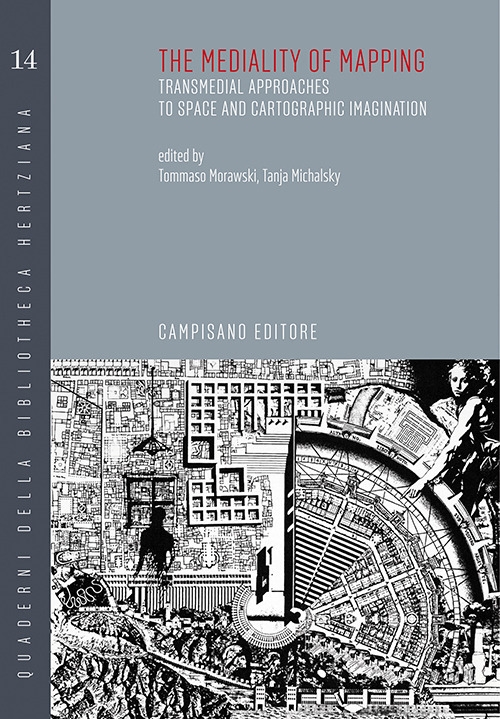
Il libro The mediality of mapping transmedial approaches to space and cartographic imagination
Today we are surrounded by maps of all sorts. As a result of their integration into everyday practices, cartographic images have become ever more ubiquitous and accessible. This pervasiveness has made the map the privileged medium for interrogating the transformations of our spatial consciousness and geographical imagination. But does it really deserve this status? What is the relationship between our conceptions of spatiality and the medium of the map? And what does it mean to read the history of space through the lens of cartography? The essays collected in this volume and written by specialists in geography, philosophy, architecture, film theory, literary studies, and visual culture address these questions by focusing on the mediality of maps and mapping. They converge upon a fundamental point: a medium not only mediates between two or more elements but also remediates by appropriating the techniques, forms, and social significance of other media. This point has implications for investigating the history of space through the prism of the map's mediality. First and foremost, it means adopting a transmedial approach, emphasizing the processes of remediation, and exploring the relationships between the map and other media, supports, or devices, such as texts, books, films, paintings, urban plans, and landscape views.| Editore | Campisano Editore |
| Lingua | eng |
| Data di pubblicazione | 11/02/2025 |
| EAN | 9791280956651 |
| Pagine | 256 |



























 Paga e Ritira

 Acquista
 Scegli la
 Sostieni la cultura locale